
 Example
Museums and galleries
More than fits on a wall label.
Put a small label beside each object. Visitors scan it and read its story, its maker and how it got here, in their language. Curators update the page as research moves on, without reprinting.
Why museums use it
A wall label has room for a few lines. Each object has more to say.
Wall labels today
- Room for a title, a date and a material, and little else
- One language, or two crowded onto one card
- Every new finding means printing and mounting a new card
- Large print and audio guides cost extra for every object
- You don't know which objects visitors want to know more about
With MarkerPin labels
- A page per object: photos, details, provenance and files
- Correct a date or add a photo the same day
- Two content languages from Pro, picked by the visitor's phone
- Clear, large text that screen readers can read aloud
- A collection for each exhibition, with scan counts per object
Archaeological object
Jug
Roman period
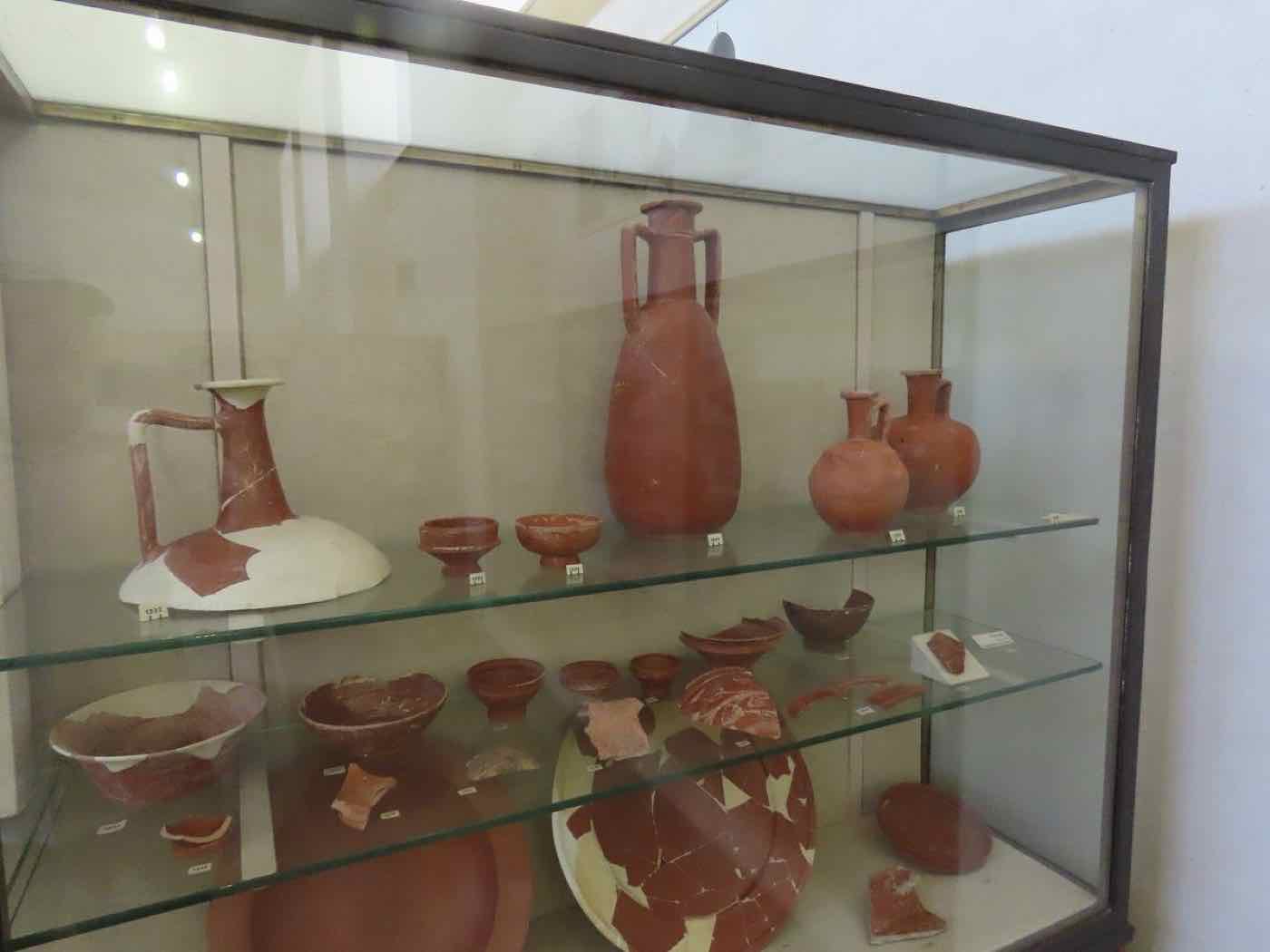
A table jug for water or wine, with the glossy red surface typical of Roman tableware.
- Date
- 2nd century AD
- Materials and technique
- Fired clay with a red slip
- Dimensions
- 18 × 11 cm
- Find spot
- A villa site near the coast
- Inventory number
- ARK 1934.12
Example item page
A Roman jug, as a visitor sees it.
The editor picked the category Archaeological object, so the page asks for the find spot as well as the date, materials and dimensions every object has. Dates can be approximate, like “c. 1550” or “2nd century AD”.
- Opens from the label at markerpin.com/h3v9kd, with no app and no sign-in
- Approximate dates shown as written
- Provenance, inscription and credit line from Pro
Categories and fields
Pick a category, and the right fields appear.
Each category brings the fields that matter for it, and inherits the fields of the category above it.
Categories for museums and galleries
- Painting
- Work on paper
- Photograph
- Sculpture
- Decorative art and design
- Archaeological object
- Ethnographic object
- Document and book
- Coin and banknote
- Science and technology object
- Vehicle
- Mineral and rock
- Fossil
- Building
- Ruin and archaeological site
Fields for: Archaeological object
Basic, on every plan
- Maker
- Date
- Materials and technique
- Dimensions
- Find spot
Extended, from Pro
- Place made
- Original use
- Inscription
- Provenance
- Credit line
- Inventory number
- Excavation
Need a field that isn't here? Business adds your own fields to any item. Compare plans
Labels and mounting
Labels that sit quietly beside the object.
Small enough not to compete with the object, clear enough to scan from behind a rope.
Acrylic plaques
Clear plaques for the wall beside a painting or inside a case.
Stands
For plinths and tables, angled toward the visitor.
Small QR labels
Code and short address only, for crowded cases.